
Review · TOKYO
Romantic Mizuhiki Knot and Omikuji Washi Charm Workshop Ueno
The best part of this workshop is its personal scale. You sit down with someone you care about, learn a Japanese paper craft with roots going back about 680 years, and leave with a charm you made yourself. Kaho’s clear guidance makes the craft approachable, even if you are not confident with your hands.
I especially like the freedom to choose your own colors and washi paper, plus the chance to make a small box for the finished charm. The main drawback is the one-hour limit: if you want to make several pieces or work slowly, the session may feel short.
Key points
- Mizuhiki with a long ceremonial role: Learn about paper cords used in Japanese wedding and funeral ceremonies.
- A truly personal souvenir: Choose your own paper, colors, knot style, and design for an item you cannot buy off a shelf.
- Small groups of four: The limited size gives you room to ask questions and receive hands-on help.
- English or Japanese instruction: Kaho can guide you in either language.
- A calm location between Ueno and Asakusa: Add this quiet craft stop to a day in two popular Tokyo districts.
- A cat in the shop: You may be able to take a picture with the resident cat, but tell the shop about allergies in advance.
A quiet craft break between Ueno and Asakusa
Tokyo can fill every hour with temples, department stores, museums, and trains. This workshop offers a useful change of pace. At Washi labo TOKYO, you spend an hour seated at a table, working with paper, cord, color, and your own hands.
The shop sits between Ueno and Asakusa, which makes it practical to fit into a day of sightseeing. You can pair it with either area without committing to a full-day activity. The setting is described as quiet and relaxing, so this is a good choice when you want something gentler than another crowded attraction.
The workshop is also designed for more than couples. You can come with a parent, child, or friend. The activity gives you a shared task, which often makes conversation easier than simply sitting across from one another in a café.
The romantic wording may attract couples, but you do not need to be celebrating an anniversary or special occasion. The finished charm can mark a friendship, a family trip, or simply a day in Tokyo when you tried something new together.
More workshops for two in Japan:
- Private Surf Lesson for Two Near Lahaina
★ 5.0 · 189 reviews - Vienna: Viennese Waltz Beginner Workshop for Couples
★ 4.9 · 144 reviews - Private Dinner Cooking Class with Benny in Chiang Mai
★ 5.0 · 42 reviews
Why mizuhiki feels more meaningful than a standard souvenir
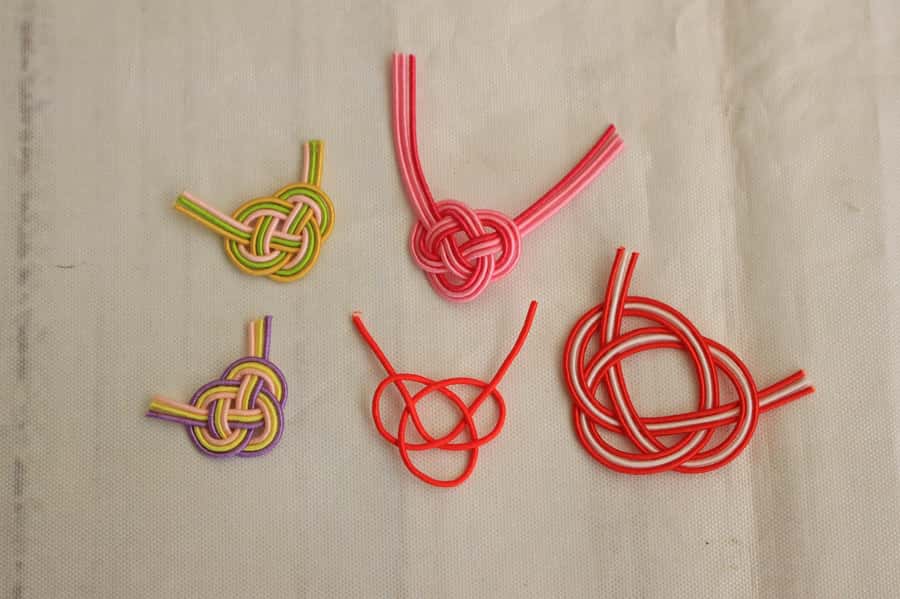
Mizuhiki is a traditional paper string that has been used in Japan for about 680 years. It continues to play an important role in wedding and funeral ceremonies, so the craft is tied to moments of connection, respect, and remembrance.
That background gives the workshop more weight than a simple paper-art class. You are not only making a pretty object. You are learning about a material that still has a place in Japanese customs today.
You should not expect a long lecture on Japanese history during a one-hour class. The value comes from the direct act of handling the cord and learning how the knots take shape. A short craft session can give you a clearer sense of how Japanese traditions survive in everyday objects.
The meaning also depends on what you make of it. You can treat the charm as a decorative souvenir, a small gift, or a reminder of the person beside you. Choosing the materials yourself makes the final item feel more personal than a ready-made purchase.
The first few minutes: choosing colors and materials
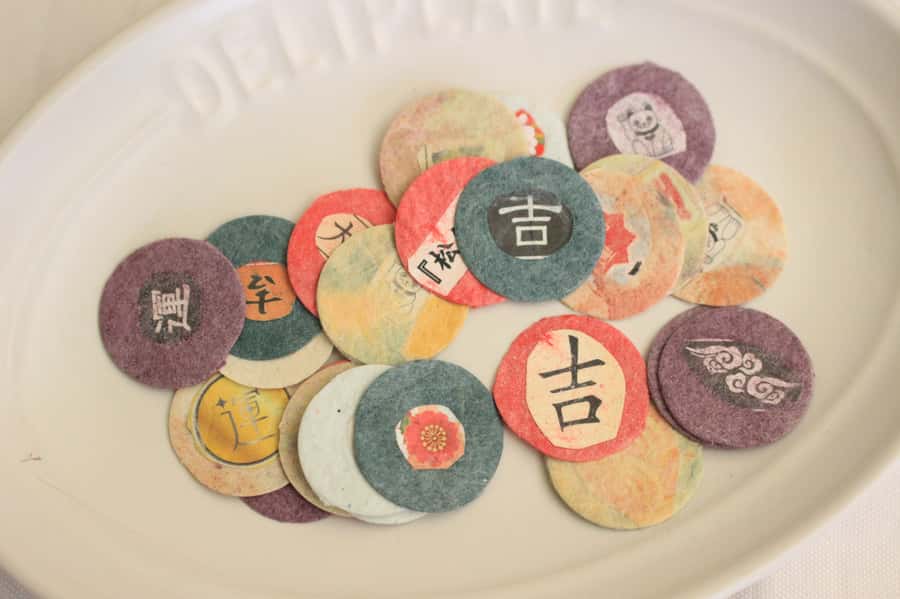
The activity begins with choices. You select from different colors and designs, then decide how you want your charm to look. You can also choose your favorite washi paper for the omikuji charm.
This is an important part of the workshop, not just a quick preparation step. Color and paper give you a way to make the piece suit your taste. Couples can create matching charms, while friends or family members can make designs that reflect their separate personalities.
If you are used to craft classes where everyone follows the same sample, this workshop offers more room for individual decisions. At the same time, too many options can slow you down. With only one hour, it helps to make your color choice without spending the whole session comparing every possibility.
The materials are included in the price, so you do not need to bring supplies. That keeps the activity easy to add to a Tokyo itinerary, especially if you are traveling light.
Learning the knot with Kaho’s help
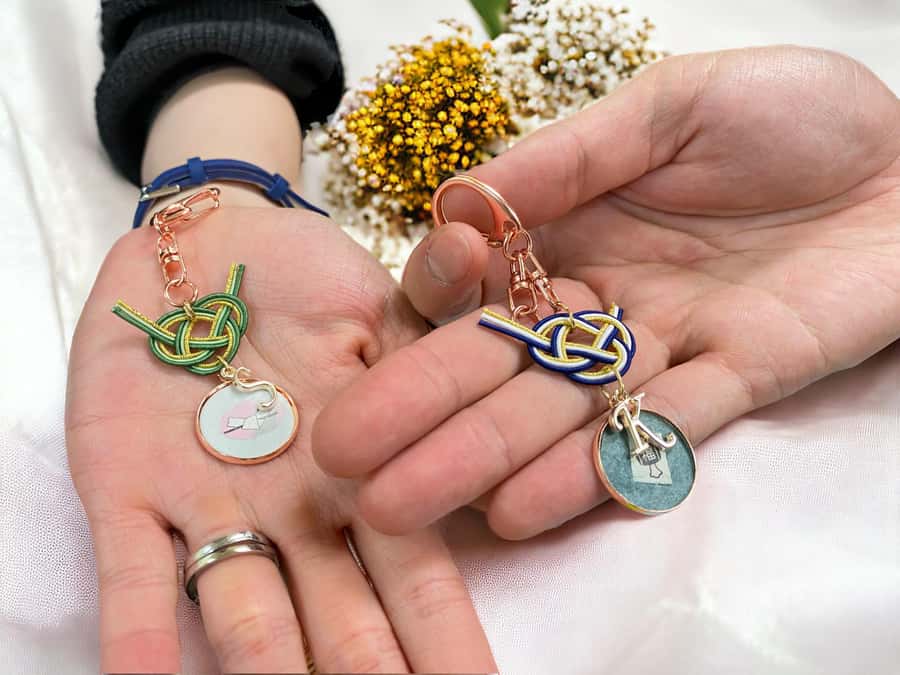
The knot is the heart of the class. Mizuhiki can look simple once it is finished, but forming an even, attractive shape takes attention. You receive instruction from a friendly teacher, with English and Japanese available.
Kaho has been praised for making the class easy to follow and for helping participants who lacked confidence. That matters here. A craft that looks neat in photographs can feel frustrating if you are left to figure out the first steps alone.
You should expect to work at a careful pace rather than rush through a complicated project. The small group limit of four means the instructor can watch how you handle the paper cord and step in when your hands need a correction.
One useful detail from the class feedback is that a hesitant participant became more confident during the session. That suggests you do not need prior craft experience. If your partner says they are not good at this kind of thing, the workshop still has a fair chance of working well for both of you.
The class is not aimed at producing identical professional pieces. Small differences are part of the charm. Your finished knot will carry the evidence that you made it yourself.
Same place, a very different kind of evening:
- Sagano Romantic Train & Arashiyama, Kiyomizudera, Fushimi Inari Taisha Day Tour
★ 4.5 · 171 reviews - Kyoto Kimono Rental mimosa |Kimono/Yukata Rental Couple Plan
★ 4.8 · 67 reviews - Private Dinner with a Geisha
★ 5.0 · 65 reviews - Private Dinner with Maiko and Geiko in Kyoto
★ 5.0 · 28 reviews
Making the omikuji washi charm
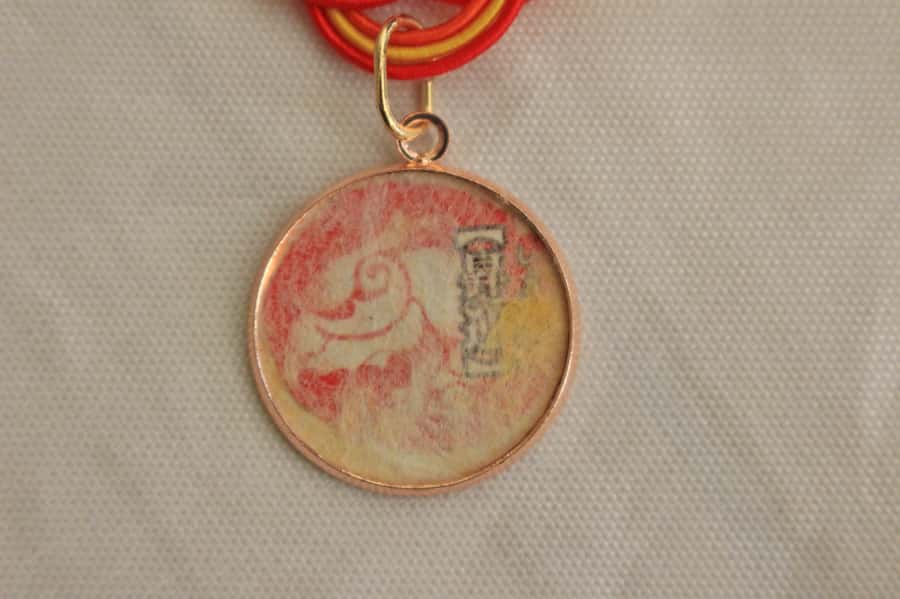
Along with the mizuhiki work, you make an omikuji washi charm. Omikuji are associated with written fortunes at Japanese shrines and temples, but the information provided here focuses on the handmade charm rather than a formal fortune-telling ritual.
The charm gives you another chance to choose paper and create something personal. Since you select the washi yourself, it can serve as a compact souvenir with a clear link to the workshop.
I like this part for practical reasons. A charm is small, light, and easy to pack. It does not take up the space of a large craft or create a luggage problem at the end of your trip.
The activity also lets you create more than one kind of keepsake. You can focus on the knot, the charm, or both, depending on your pace and interest. The one-hour schedule means you should listen closely to the instructor and keep moving through the steps.
Adding a small gift box

You can also make a gift box to hold your charm. This is a small addition, but it changes how the finished piece works. Instead of carrying a loose craft home, you have a simple presentation box that can be given to someone else.
For couples, the box can hold a shared memory from Tokyo. For parents and children, it can turn the charm into a handmade gift for another family member. Friends can make pieces for one another or take home separate boxes.
The box is also useful if you plan to keep the charm in good condition. Do not expect a large storage case or elaborate packaging. The appeal is the handmade touch, not luxury presentation.
The shop cat and the practical allergy note
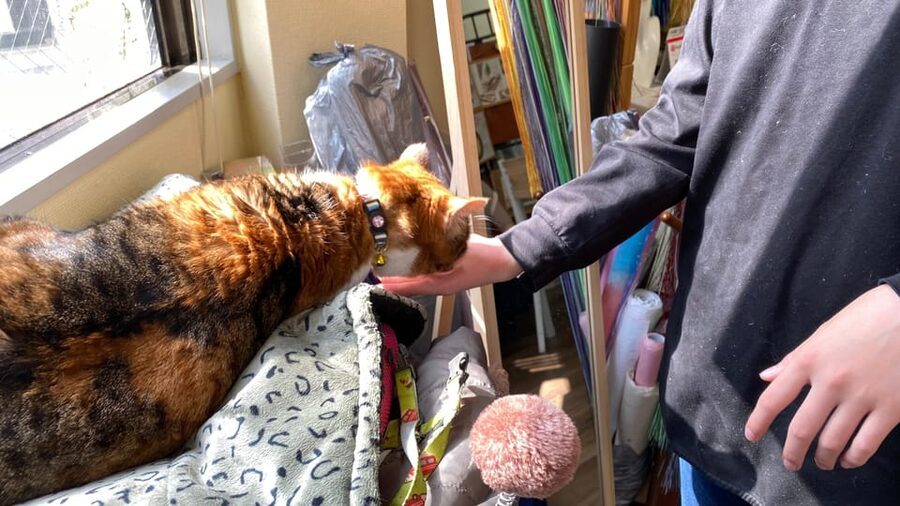
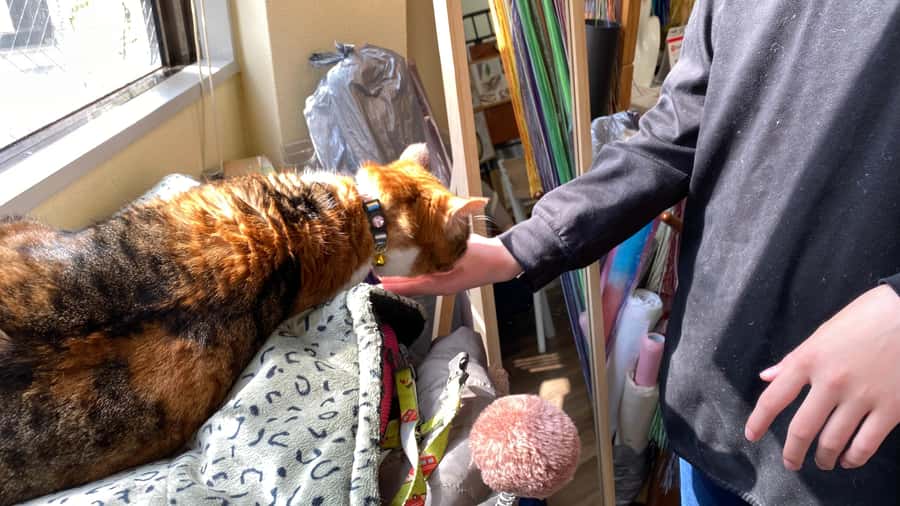
A cat lives in the shop, and you may be able to take a picture with it. For cat lovers, this adds a warm, slightly unexpected detail to an already personal activity.
The cat is not the main event, and you should not book the class solely for an animal encounter. The focus remains the paper craft. Still, a friendly shop cat can make the setting feel less formal, especially during a quiet hour at the worktable.
If you have allergies, contact the shop in advance. This is the most important practical point for anyone sensitive to cats. The available information does not promise that the cat will be present at your table or available for photographs, so treat that part as a possibility rather than a guaranteed feature.
What the one-hour schedule really means
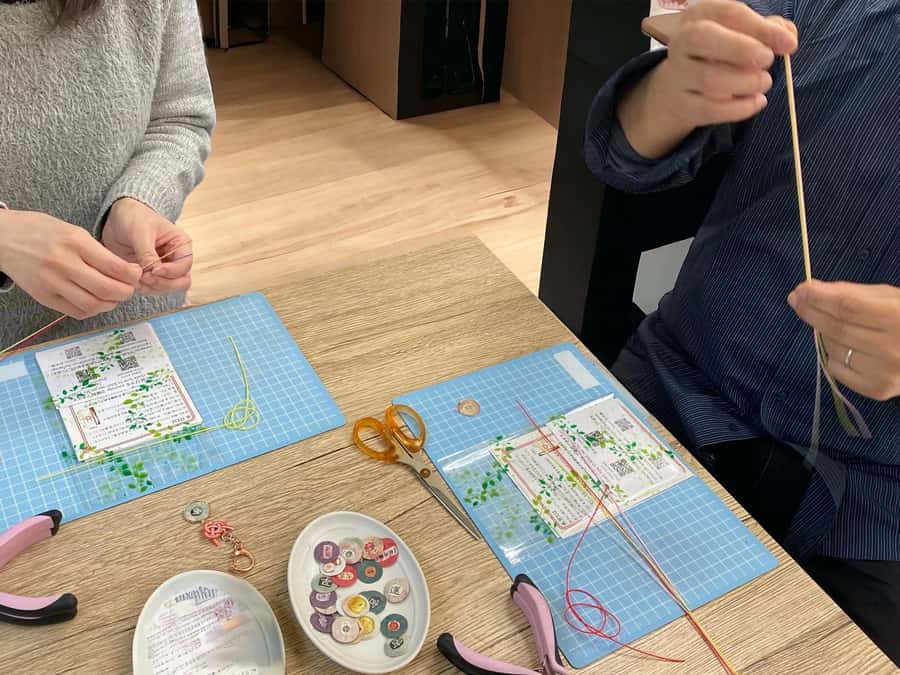
One hour is long enough to learn the basic process and make a keepsake, but it is not an open-ended studio session. You will need to choose your materials, follow the instruction, complete the knot, make the charm, and possibly assemble a box within that time.
That compact format is useful if you are building a busy Tokyo day. It also suits children and people who prefer a short activity rather than a long class. You get a clear beginning and end without giving up half a day.
The tradeoff is flexibility. You may not have time to experiment with many designs or make several finished items. If you are a serious paper-craft hobbyist, you could wish for a longer session.
For most visitors, the limit helps keep the workshop focused. You leave with a finished object instead of spending hours on a project that may not fit your schedule.
How the $41 price compares with the value
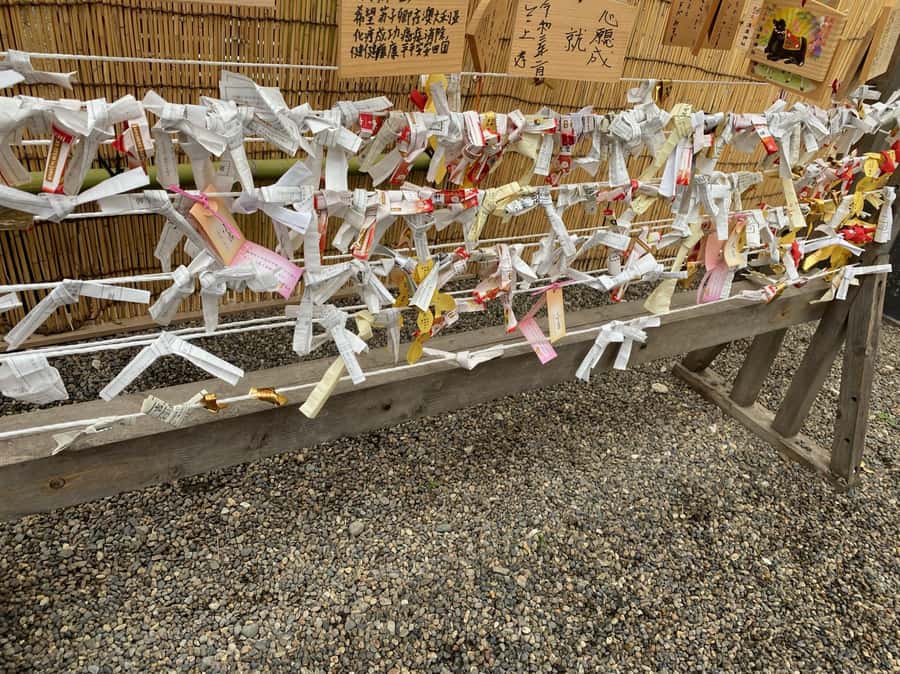
At $41 per person, this is not the cheapest small activity in Tokyo. You are paying more than the cost of a mass-produced charm or a casual souvenir. The better question is what you receive for the fee.
The price includes the workshop materials and an instructor. You also receive direct help in a group limited to four people, which is a major part of the value. A large class could offer the same basic craft but less individual attention.
You are also paying for the chance to choose the paper and design, learn a traditional technique, and create a keepsake with someone else. That makes the cost easier to justify for couples and families who value shared activities over simply buying objects.
The value is weaker if you only want an inexpensive souvenir and do not care about the making process. In that case, a shop-bought charm will be faster and cheaper. Book this workshop for the time spent together and the personal result, not only for the item itself.
Who will enjoy this workshop most
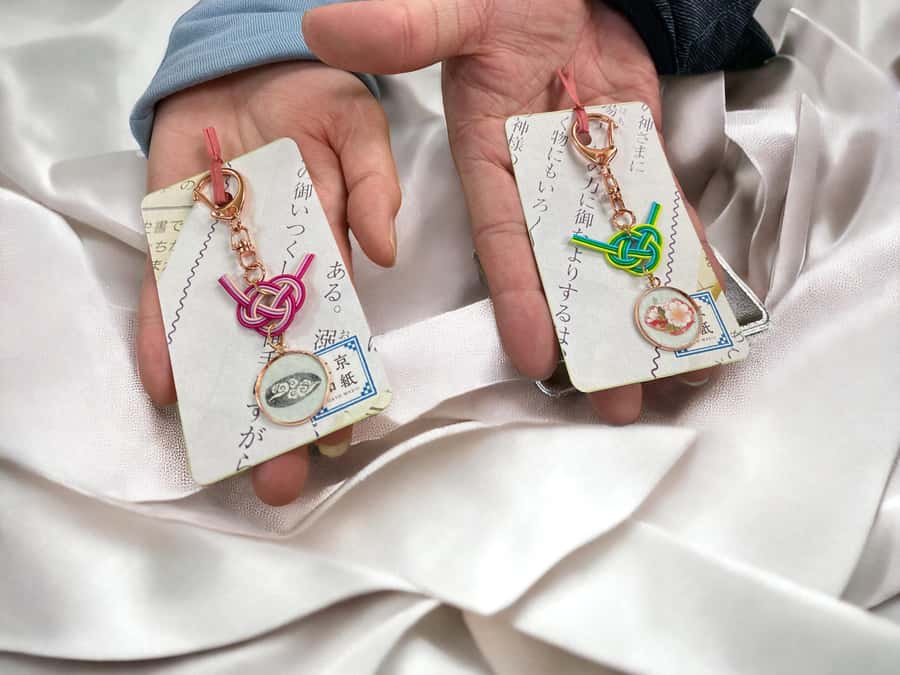
This class is a strong match for couples who want a quiet activity with a romantic feel but do not want a formal dinner or staged photo session. The matching or complementary charms give you a simple way to mark your time together.
It also works well for parents and children. The instructor support matters when younger participants need help with the knot. The short schedule can be easier for a child than a long museum visit, though the available information does not specify a minimum age.
Friends can enjoy it for the same reason. You have a shared project, color choices to compare, and something tangible to take home. A hesitant partner or friend should not assume the class is beyond them. The instruction is designed to help beginners follow the process.
I would also recommend it to visitors who want a traditional Japanese activity without a large group. The class gives you contact with a craft connected to ceremonies, while keeping the tone relaxed and approachable.
Who may want to choose something else
You may want another activity if you dislike cats or have a serious allergy and cannot arrange suitable precautions. The shop specifically asks people with allergies to make contact in advance.
This may not suit you if you want a long, technical craft lesson. The session lasts one hour, and the focus is on making a personal charm and knot rather than mastering every part of mizuhiki work.
It is also less useful for solo visitors seeking a social group activity. The workshop can still be done alone, but its strongest appeal is the chance to make something with a partner, friend, or family member.
Finally, do not book it expecting a major sightseeing stop. The value is at the table, in the making, not in a long tour of the Ueno or Asakusa areas.
Planning it around Ueno and Asakusa
The location between Ueno and Asakusa makes this easy to pair with sightseeing in either district. You can use the workshop as a calm break between larger attractions, or place it near the middle of a day when you want to slow down.
Starting times vary, so check availability before fixing the rest of your schedule. The one-hour duration leaves room to continue exploring afterward, but you should still allow enough time to arrive without rushing.
The activity is offered in English and Japanese. That does not mean every part of the class will be translated word for word, but it does give English-speaking visitors a clear way to receive instruction.
Cancellation is free up to 24 hours in advance, and you can reserve now while paying later. Those terms are useful when Tokyo plans are still changing, especially during a trip with weather-dependent outings.
How the experience feels in practice
The strongest impression here is its relaxed pace. You are not being pushed through a long list of sights or hurried from one station to another. You sit, choose, listen, and make.
That calm setting also gives the workshop educational value. You learn by doing, and the physical act of tying and shaping the paper cord makes the tradition easier to remember.
The activity has earned praise for being fun, easy to follow, helpful, and educational. Those qualities fit together well. A class can teach you something without becoming stiff, and it can be entertaining without reducing the craft to a quick novelty.
The cat adds a bit of personality, while the small group keeps the instructor close by. These details help the workshop feel like a personal appointment rather than a standard assembly-line activity.
Should you book the Mizuhiki workshop?
Book it if you want a one-hour activity that combines Japanese tradition, personal design choices, and time with someone you care about. The $41 price makes the most sense when you value the instruction and shared memory as much as the finished charm.
I would especially choose it for a couple, parent and child, or two friends who want a small souvenir with a story behind it. Kaho’s clear instruction makes it suitable for beginners, and the group size gives you a good chance to receive help.
Skip it if you want a major cultural tour, a long craft lesson, or the cheapest possible souvenir. Also contact the shop first if you have cat allergies. For everyone else, this is a thoughtful way to trade one hour of Tokyo sightseeing for something made by your own hands.
FAQ
How long does the mizuhiki and omikuji charm workshop last?
The workshop lasts one hour.
How much does the workshop cost?
The listed price is $41 per person.
Where is the workshop located?
Washi labo TOKYO is located between Ueno and Asakusa in Tokyo, on Honshu.
Is the workshop available in English?
Yes. Instruction is available in English and Japanese.
How many people can join the workshop?
It is a small-group activity limited to four participants.
Are the craft materials included?
Yes. The required workshop materials and a friendly instructor are included.
Is there a cat at the workshop?
Yes. There is a cat in the shop, and you may be able to take a picture with it. If you have allergies, contact the shop in advance.
Can I cancel the booking?
You can cancel up to 24 hours in advance for a full refund. You can also reserve now and pay later.
Just added around Japan
- Romantic Proposal Production Photo Video and Drone★ 5.0 · 2 reviews
- Couple Plan★ 5.0 · 2 reviews
- Osaka After Dark A Private Dinner Time Tour In Dotonbori & Namba★ 5.0 · 2 reviews
- Kyoto Sagano Romantic Train in Arashiyama Bus Tour★ 3.0 · 6 reviews
- Handmade Wedding Ring Experience in Kyoto★ 5.0 · 3 reviews
- Kyoto Private Kimono Photoshoot for Couple and Solo★ 5.0 · 4 reviews
- Kyoto: Enjoy Sushi & Market Tour! Best for Family & Couple!★ 5.0 · 2 reviews
- Arashiyama Walking Tour with Optional Sagano Romantic Train Ride★ 5.0 · 6 reviews
Tokyo Honeymoon Experiences, compared.
Private dinner with Geisha at a Member’s only Ryotei
Read our review →


Browse the lists this tour appears in