
Review · TOKYO
Tokyo: Private dinner with Geisha at a Member’s only Ryotei
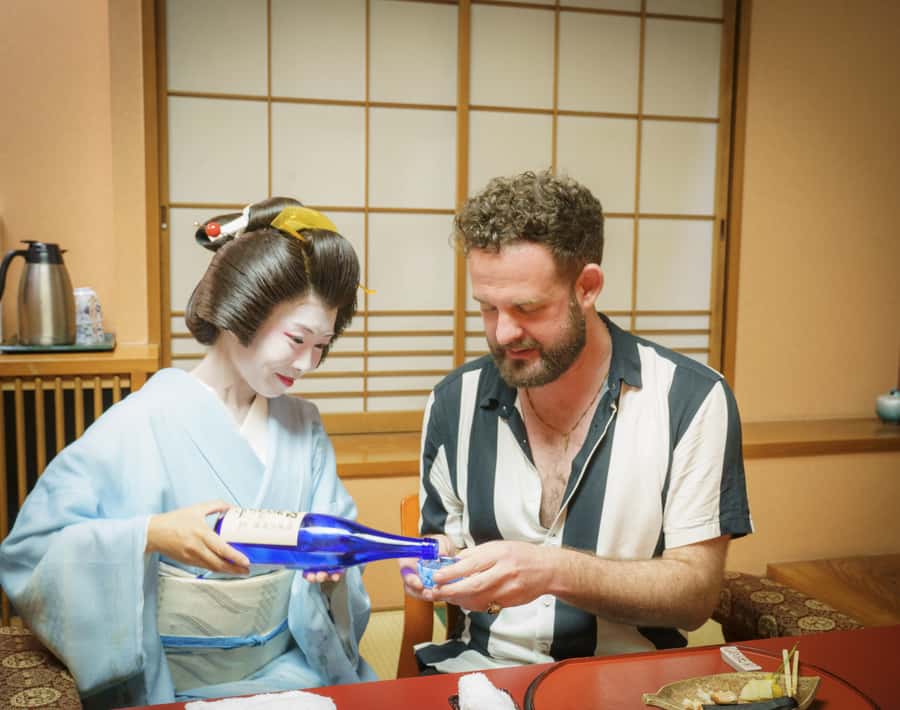
Tokyo’s geisha tradition is not limited to Kyoto. This three-hour evening takes you through Kagurazaka, a Tokyo neighborhood with old entertainment-district roots, and into a members-only ryotei, where geisha Chika-san joins you for dinner, conversation, games, and dance. It is a rare look at a part of the city most visitors cannot enter alone.
I like the private-group setting, which gives the evening a personal feel instead of turning it into a stage show. I also like that your English-speaking guide explains the customs and translates throughout the dinner, so you can ask questions rather than simply watch from a distance.
The main drawback is the price: $580 per person, before drinks, extra food, and gratuity. This is a special cultural occasion, not a budget meal, and you should book it only if the geisha experience matters more to you than seeing several Tokyo sights in one evening.
Key points to know before booking
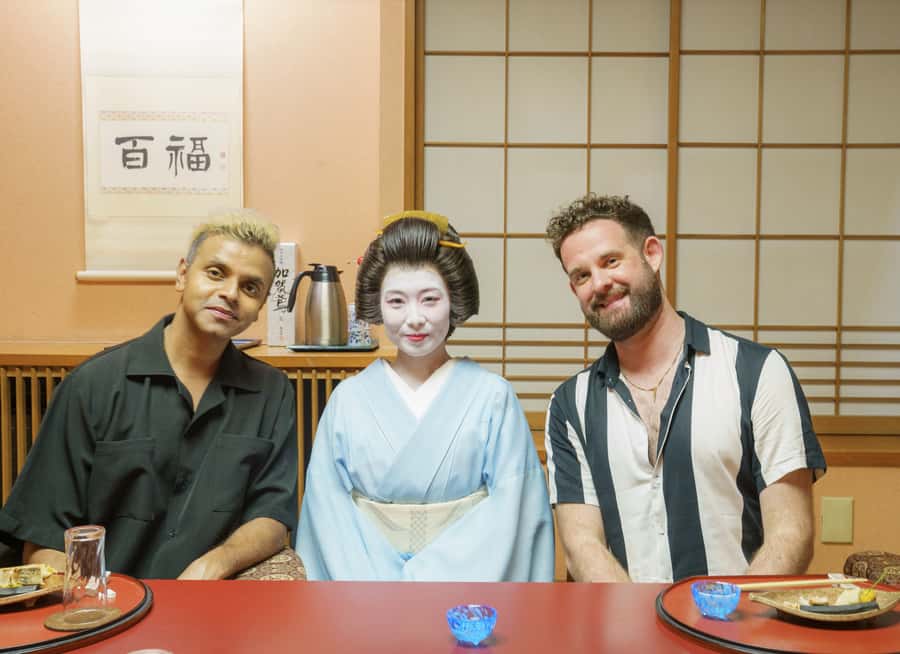
- A members-only Kagurazaka ryotei: You enter a place that is normally closed to casual visitors, adding real exclusivity to the evening.
- Two hours with geisha Chika-san: The time includes conversation, traditional games, photographs, and a formal dance.
- A full kaiseki-style dinner: The meal is included, but drinks, extra dishes, and gratuity are not.
- An English-speaking guide throughout: Your guide leads the Kagurazaka walk, explains the setting, and translates the interaction.
- A private group experience: You are not placed in a large public tour, which helps the dinner feel more relaxed.
- A three-hour cultural evening: The schedule combines a neighborhood walk, dinner, entertainment, and cultural explanation.
Why Kagurazaka is the right place for this evening
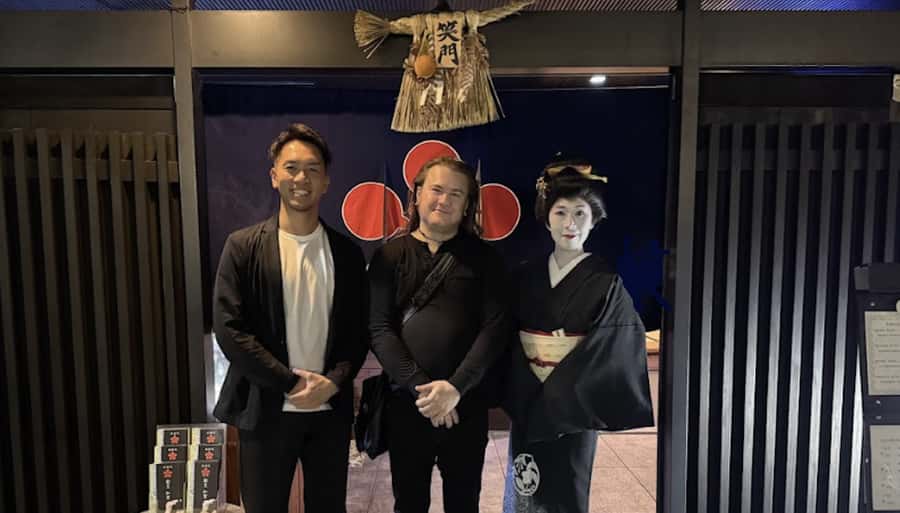
Kagurazaka gives this experience a useful sense of place before dinner even begins. You meet your guide in front of FamilyMart, ten minutes before the start, then walk through the neighborhood toward the ryotei.
The walk matters because geisha culture is tied to particular districts, restaurants, theaters, and social customs. You are not simply being taken to an anonymous dining room for a performance. You are first introduced to one of Tokyo’s traditional entertainment areas, then shown the door to a place that usually depends on personal connections for entry.
Your guide speaks English and provides the background that makes the evening easier to understand. The history and customs of geisha can be difficult to follow if you have never encountered the tradition before, so the translation is more than a convenience. It lets you focus on the person in front of you instead of wondering what is happening.
I would arrive early and keep the meeting point simple. FamilyMart is easy to recognize, but busy Tokyo streets can still make a short walk feel longer than expected. The meeting instruction asks you to arrive ten minutes before the start, and that is sensible for a timed dinner inside a private venue.
More romantic dinners for two in Japan:
- Private Dinner with a Geisha
★ 5.0 · 65 reviews - Private Dinner with Maiko and Geiko in Kyoto
★ 5.0 · 28 reviews - Tokyo Private dinner with Geisha
★ 5.0 · 10 reviews
Entering a members-only ryotei
The ryotei is the central appeal. A ryotei is not just a restaurant with Japanese decoration. It is a traditional dining establishment associated with formal meals, personal introductions, and attentive service. This particular venue is described as members-only, so gaining entry with a guide gives you access that independent sightseeing normally does not provide.
That exclusivity does not mean you should expect a stiff or secretive evening. The experience is designed to be welcoming, with your guide explaining the customs and helping the conversation flow. The private-group format also gives you room to take part rather than sitting in a crowd while a performer works through a fixed routine.
You should still approach the setting with respect. A geisha is a trained professional in traditional arts and hospitality, not a costumed photo prop. The best part of the evening is likely to be the exchange: listen carefully, ask polite questions through your guide, and take photographs when invited or when the timing is appropriate.
The venue itself is part of what you are paying for. If your main goal is simply to eat kaiseki food, you can find less expensive meals in Tokyo. If you want access to a traditional house and a direct cultural encounter, the ryotei admission helps explain the higher cost.
What the full kaiseki dinner adds
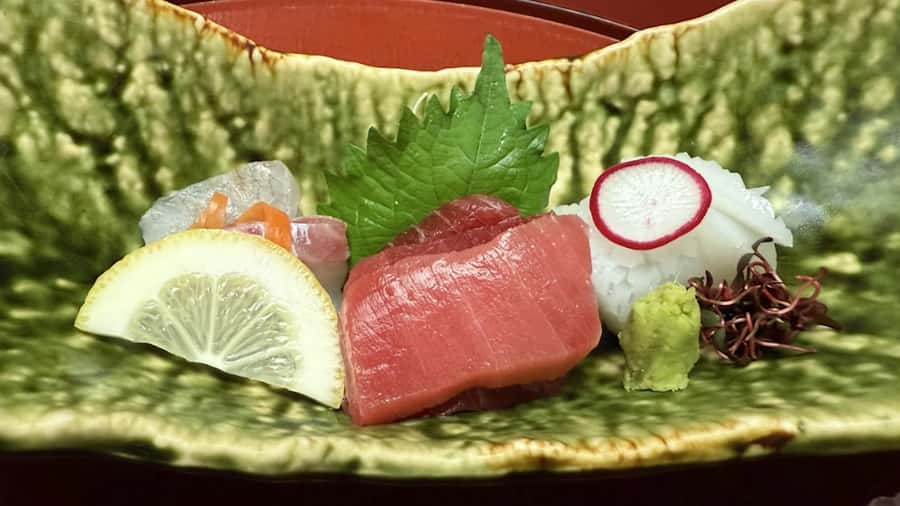
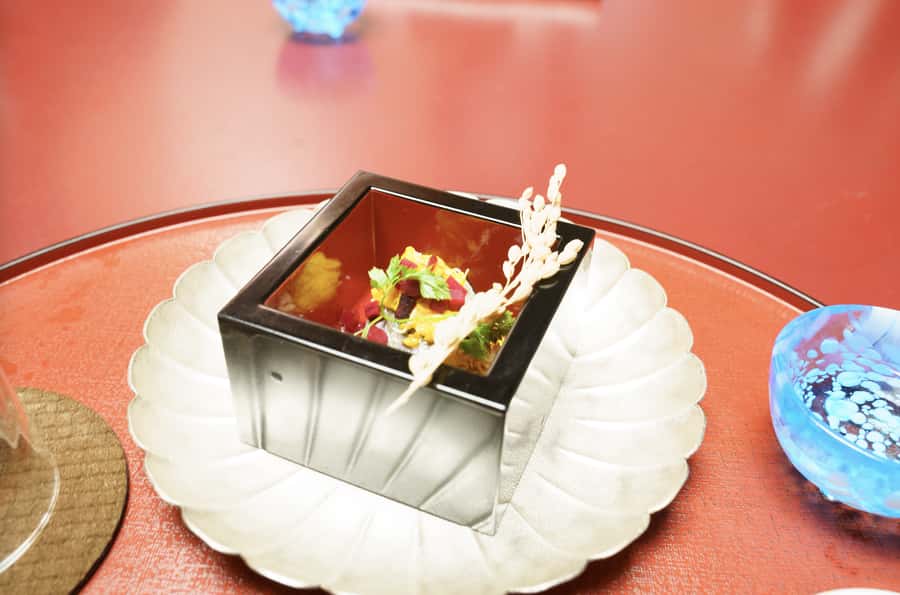
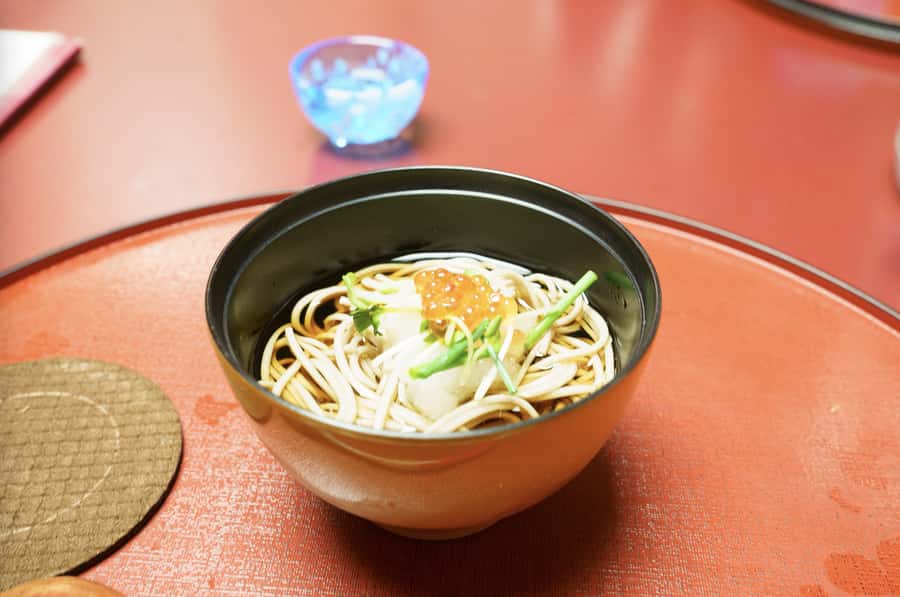
A full-course kaiseki-style dinner is included in the $580 price. The supplied details do not list every dish, so you should not book this expecting a particular menu or ingredient. Instead, think of the meal as the formal setting around the evening’s main cultural exchange.
Kaiseki is served in a sequence, with care given to presentation, timing, and seasonal character. Here, the meal gives the night a proper rhythm: you sit down, eat, talk, watch, and take part in activities rather than rushing through a quick plate before a show.
The dinner is also a chance to see how food fits into formal Japanese hospitality. Your guide can help explain unfamiliar customs and translate conversation with Chika-san. That turns the meal into part of the lesson, not just an included benefit.
Drinks are not included, and neither are extra food or gratuity. This is worth noting because a $580 advertised price can feel less complete once you add beverages and a tip. Ask about drink choices and costs as the evening develops, and set aside money for gratuity so the final bill does not catch you by surprise.
For many people, the dinner will be a memorable part of the experience. For others, the food may feel secondary to meeting the geisha. That is an important distinction. You are paying for access, company, performance, interpretation, and the setting as much as for the meal itself.
Two hours with geisha Chika-san
The listed program includes two hours accompanied by a geisha. That is a generous amount of time for this kind of encounter. You are not limited to a short greeting and one dance before being sent back into the street.
Chika-san takes part in conversation, traditional games, photographs, and performance. The combination keeps the evening from becoming passive. You can watch the artistry, then take part in a game or ask questions, with the guide translating as needed.
The conversation is especially valuable. Geisha training involves traditional performance arts, hospitality, and social skills, but a visitor cannot learn much from a dance alone. Time for direct conversation gives you a better sense of the work behind the appearance and the discipline required to perform in this setting.
Games provide a lighter side to the evening. They help break the formality and give you a way to interact without needing advanced Japanese. Your guide’s translation is essential here, since games often depend on quick instructions and social cues.
Photography is included, so you can take photos with Chika-san. Keep in mind that photos are a small part of the encounter, not its purpose. If you spend the whole evening arranging pictures, you will miss the conversation and performance that make the experience unusual.
A few more trips for two around Japan worth a look
- Sagano Romantic Train & Arashiyama, Kiyomizudera, Fushimi Inari Taisha Day Tour
★ 4.5 · 171 reviews - Kyoto kiyomizu Temple : Maiko and Samurai Couple Photoshoot
★ 4.8 · 25 reviews - Kyoto: Arashiyama Tour with optional Sagano Romantic Train
★ 4.7 · 18 reviews - Kurashiki Private Romantic Night in the Observatory Recliners
★ 4.5 · 15 reviews
The dance, music, and traditional arts
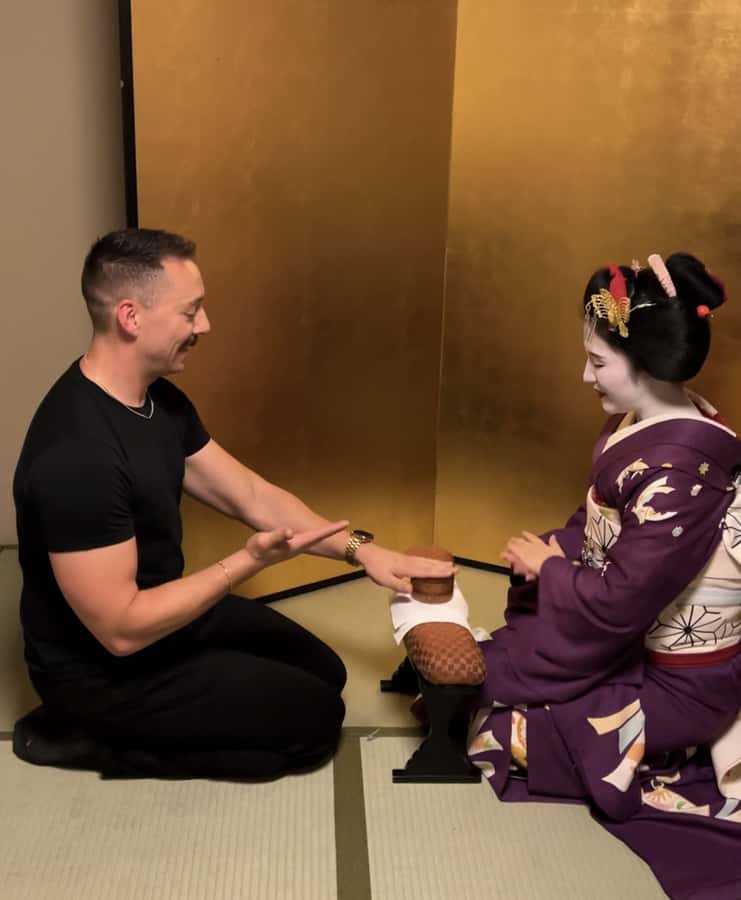
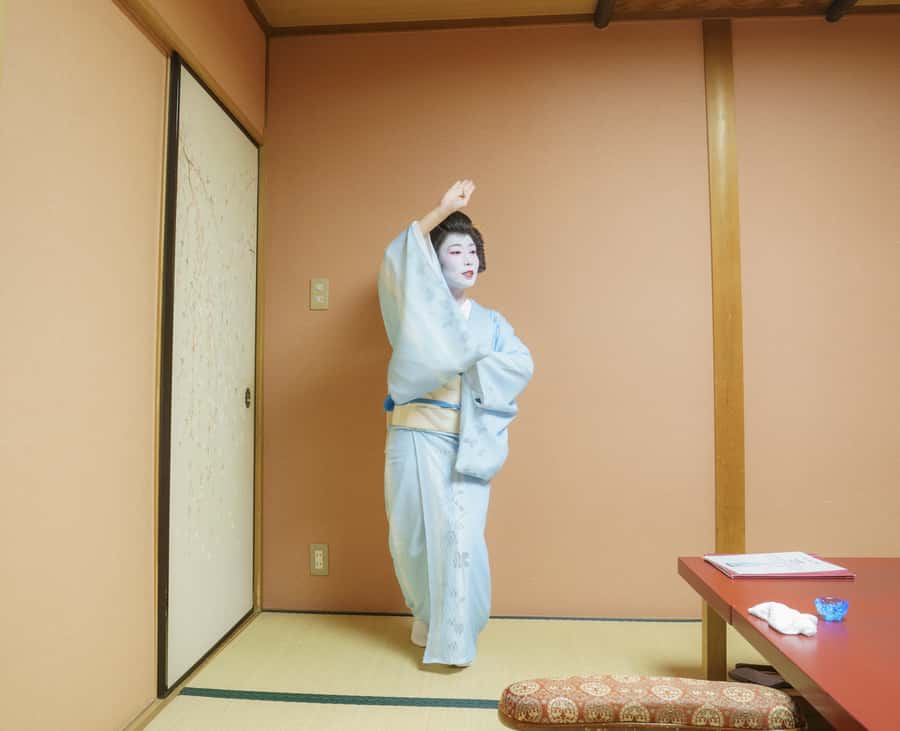
The geisha performance includes traditional dance and musical arts. One specific dance identified from the evening is Nihonodori Buyou, a formal Japanese dance. This is not the sort of show designed for loud applause or rapid entertainment. It is controlled, precise, and built around gesture, movement, costume, and musical timing.
You may also see a musical instrument performance, since traditional geisha entertainment can include instruments as well as dance. The exact performance can vary, so I would treat the program as a chance to see a traditional art form rather than a fixed theater production with a printed running order.
This distinction affects expectations. If you want a large-scale cultural show with several performers, elaborate staging, and many acts, this is not that. You get a more intimate presentation from one skilled professional, within a private dinner.
I like that the performance comes after time for conversation and games. You first meet Chika-san as a host and artist, then see the formal side of her work. The contrast helps you understand that geisha entertainment is not only about costume or dance. It combines hospitality, conversation, music, and movement.
The guide’s role in making the evening work
The English-speaking guide is a key part of the value. Without translation, you could still enjoy the food and visual performance, but much of the conversation and cultural explanation would be out of reach.
Your guide leads the neighborhood walk, explains Tokyo’s cultural background, and interprets the exchange with the geisha. The guide also helps you understand what to do in a formal setting, which can remove some of the uncertainty that comes with entering an unfamiliar traditional venue.
The available information does not give the guide’s name, so I would not choose this experience based on a particular guide. The important point is the role the guide plays: interpreter, host, cultural explainer, and practical link between you and the ryotei.
A good guide can also help the evening feel natural. Conversation with a geisha may seem intimidating at first, especially if you do not speak Japanese. With translation and context, you can ask about the performance, customs, training, and life connected to the profession without turning the evening into a one-sided demonstration.
Is $580 per person fair?
At $580 per person, this is expensive by Tokyo dining standards. The price makes more sense when you separate the components: a full-course kaiseki-style dinner, admission to a members-only ryotei, two hours with a geisha, a performance, guide service, translation, a Kagurazaka walk, and photographs.
You are not buying a standard restaurant reservation. You are paying for access to a private cultural setting that is difficult to arrange independently. The private-group format also matters. A large group would make conversation and photographs less personal, while this setup gives you more time with Chika-san.
Still, the cost will not suit everyone. If you have a tight budget, you might prefer a public cultural performance, a less formal Japanese meal, or a neighborhood tour. Those options can cover individual parts of the evening for much less money.
I see the strongest value for someone celebrating a special occasion, marking a first trip to Japan, or specifically interested in traditional Japanese arts. It is also a good choice for a small group of friends who want one distinctive night rather than several ordinary dinners.
Remember that drinks, extra food, and gratuity are separate. The cancellation terms are also strict compared with many casual activities: you can cancel for a full refund up to 14 days before the start, but the provided details do not promise the same flexibility inside that window.
Who will enjoy this most?
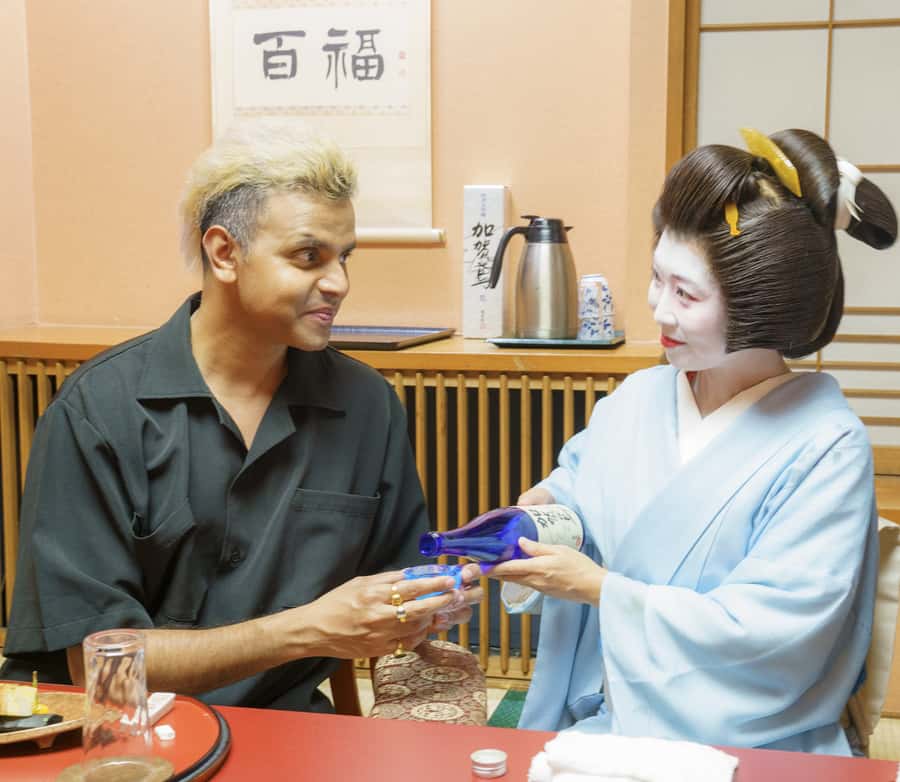
You will get the most from this experience if you enjoy conversation, food, history, and live performance in equal measure. It suits visitors who want to understand a cultural tradition rather than simply photograph it.
It is also well suited to a private group. Friends can share the games and meal, while couples or families can use the guide to ask questions at their own pace. The experience is wheelchair accessible, which makes it available to a wider range of visitors, though the exact walking route and venue arrangement are not described in detail.
I would be cautious about booking it if you dislike formal meals, have no interest in geisha culture, or mainly want to see Tokyo’s biggest landmarks. The evening focuses on Kagurazaka and the ryotei, not on a long list of famous sights.
The three-hour duration is a good fit for an evening plan. It is long enough for the neighborhood introduction, full meal, conversation, games, photographs, and dance, but short enough to leave room for other plans earlier or later in the day.
Practical tips for a smoother evening
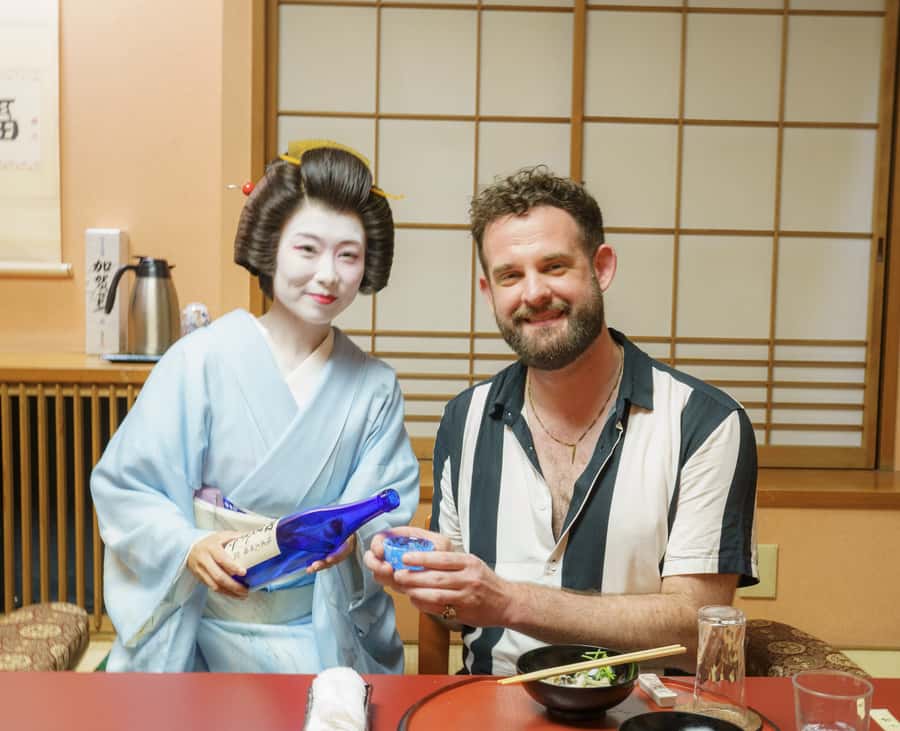
Arrive at FamilyMart ten minutes early. The meeting point is specific, but you should still allow time to find it without rushing.
Wear something that makes you comfortable for a formal dinner and a short neighborhood walk. The supplied details do not specify a dress code, so I would avoid assuming that formal eveningwear is required. Neat, respectful clothing is the safer approach.
Bring enough money for drinks, extra food, and gratuity. Those costs are not covered by the advertised price.
Keep your questions ready. You might ask about the dance, instruments, training, the Kagurazaka district, or the customs of the ryotei. The guide can translate, and the two-hour session gives you time to have a real exchange.
Treat photography as part of the evening, not the whole evening. You receive photos with Chika-san, but the most lasting part may be the explanation of what you are seeing and why it matters.
Should you book this Tokyo geisha dinner?
Book it if you want a rare, private look at Tokyo’s geisha culture and are comfortable paying for access, interpretation, food, and personal attention. The members-only ryotei, two hours with Chika-san, full kaiseki dinner, games, photographs, and Nihonodori Buyou performance give the evening more substance than a brief staged appearance.
Skip it if $580 feels too high for one dinner, or if your priority is landmark sightseeing. This is a focused cultural night, not a general Tokyo tour.
For the right person, it offers something difficult to arrange alone: a guided walk into Kagurazaka, an invitation into a private traditional venue, and time to speak with a geisha rather than simply watch one from across a room.
FAQ
How long does the Tokyo geisha dinner experience last?
The experience lasts three hours. It includes a Kagurazaka walking tour, dinner, geisha entertainment, and time with the geisha.
How much does the experience cost?
The listed price is $580 per person.
Is dinner included?
Yes. A full-course, kaiseki-style dinner is included.
Are drinks included in the price?
No. Drinks are not included, and extra food is also charged separately.
How much time do I spend with the geisha?
The included program provides two hours accompanied by a geisha.
Who is the geisha?
The experience includes a geisha named Chika-san.
Is the tour conducted in English?
Yes. The experience includes an English-speaking guide, and English is the listed language.
Where do I meet the guide?
You meet in front of FamilyMart. You should arrive ten minutes before the scheduled start time.
Can I cancel for a full refund?
Yes. You can cancel up to 14 days in advance for a full refund.
Just added around Japan
- Romantic Proposal Production Photo Video and Drone★ 5.0 · 2 reviews
- Couple Plan★ 5.0 · 2 reviews
- Osaka After Dark A Private Dinner Time Tour In Dotonbori & Namba★ 5.0 · 2 reviews
- Kyoto Sagano Romantic Train in Arashiyama Bus Tour★ 3.0 · 6 reviews
- Handmade Wedding Ring Experience in Kyoto★ 5.0 · 3 reviews
- Kyoto Private Kimono Photoshoot for Couple and Solo★ 5.0 · 4 reviews
- Kyoto: Enjoy Sushi & Market Tour! Best for Family & Couple!★ 5.0 · 2 reviews
- Arashiyama Walking Tour with Optional Sagano Romantic Train Ride★ 5.0 · 6 reviews
Romantic Dinners for Two, compared.

Candlelit Dinner River Cruise with Live Music
Read our review →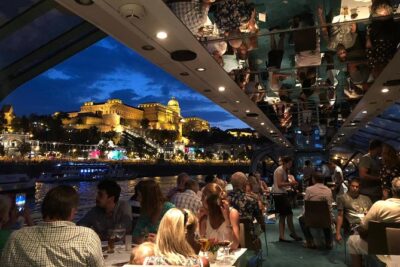
Budapest Danube River Candlelit Dinner Cruise with Live Music
Read our review →
Madrid Local Tapas Tour with Private Dinner and Bottomless Wine
Read our review →
Blissful Spa Escape & Romantic Candlelight Dinner
Read our review →
Private Dinner in the dunes in the Mleiha National Park
Read our review →
Amazing Romantic Dinner on a Spanish Galeon with Saxophone Music
Read our review →Browse the lists this tour appears in