
Review · 3-HOUR EXPERIENCES
Dominican Republic: 3-Hour Chocolate Lovers Tour
Chocolate here begins with a seed in the soil, not a shiny wrapper. At El Sendero del Cacao, you follow cacao from planting and harvest through fermentation, drying, factory processing, and a guided tasting.
I like the hands-on planting activity and the clear look at the post-harvest work that controls chocolate quality. I also like that lunch and hot chocolate are included. The main caution is timing: the tour is sold as three hours, but one booking reported about two and a half hours, so do not plan a tight connection afterward.
Key points
- Plant your own cacao: You sow a cacao plant and learn how the crop begins.
- Follow the full process: See harvesting, pod cutting, bean extraction, fermentation, and drying.
- Taste with purpose: The chocolate session teaches you to use sight, smell, taste, touch, and hearing.
- Visit a small chocolate factory: A second plantation shows more automated processing on a small scale.
- Lunch is included: The package covers a local lunch and hot chocolate, not just the tour.
- Plan your own transport: Transfers are not included, so you must reach El Sendero del Cacao yourself.
From Cacao Seed to Chocolate Bar
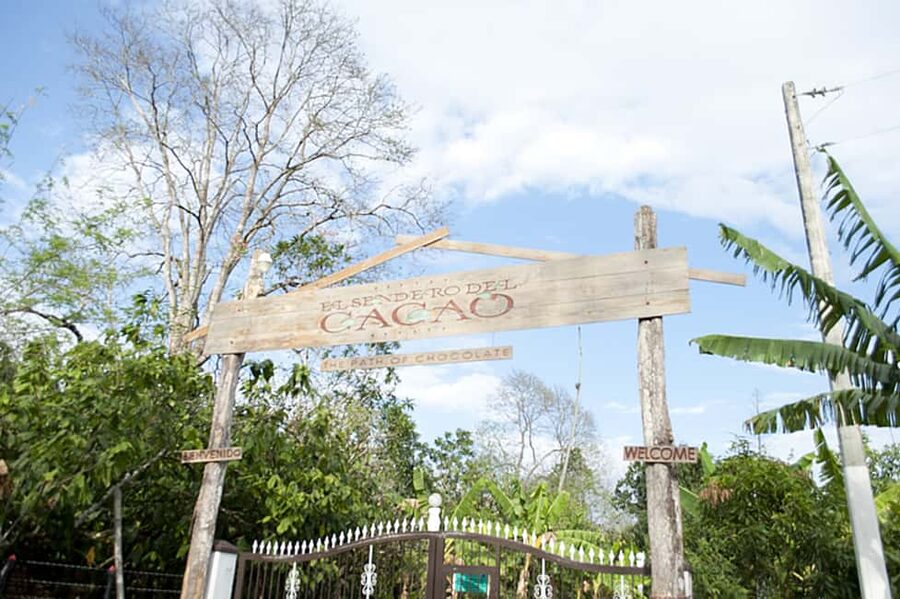
This is a good choice if you want more than a quick sweet sample. The tour explains the work behind chocolate in a steady sequence, starting with the cacao plant and ending with a tasting session.
You begin at an organic cacao plantation, where the guide explains the conditions that help cacao grow in the Dominican Republic. The lesson includes the local ecosystem and the reasons this country can produce fine cacao.
That context matters. Cacao quality is not created only in a factory. It begins with the plant, the growing conditions, and the care taken when the pods are opened. You get a clearer picture of that chain here than you would from a simple chocolate shop visit.
The first hands-on moment is sowing your own cacao plant. It is a small activity, but it gives the plantation visit a useful starting point. Instead of looking only at finished chocolate, you handle the first stage of the process.
Other honeymoon trips couples book in the world:
- Paris: Romantic Cruise with 3-course Dinner on Seine River
★ 4.3 · 2,295 reviews - Cairo: Nile Sunset Dinner Cruise, Show & Optional Transfer
★ 4.1 · 2,184 reviews - Budapest: Candlelit Dinner River Cruise with Live Music
★ 4.7 · 2,154 reviews
Reading a Cacao Pod in the Plantation
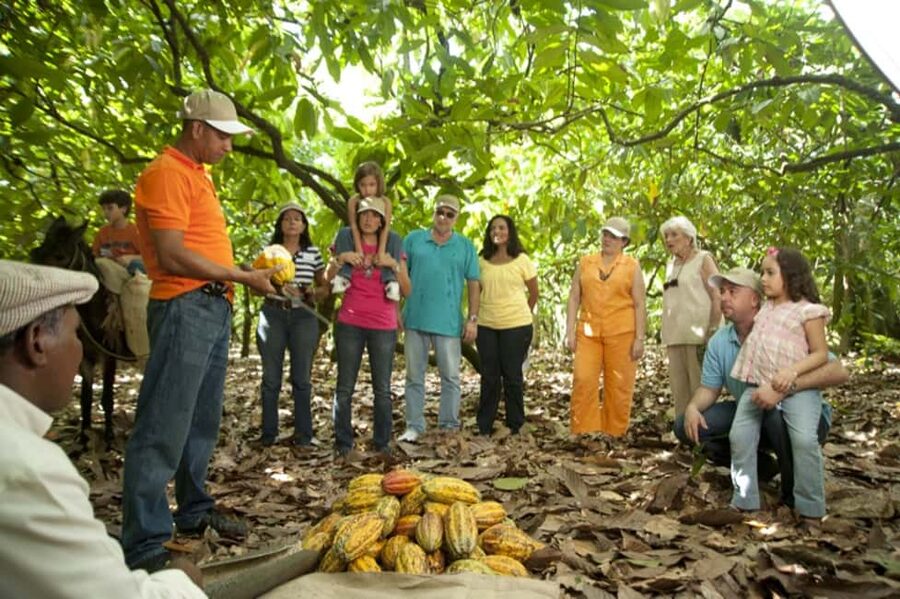
The tour then moves into the practical work of cacao production. You learn about the harvest, the cutting of the cacao pod, and the extraction of the beans.
The wording may sound technical, but the idea is simple: the beans inside the pod are only raw material. They need careful treatment before they can become quality chocolate.
I especially like that the tour gives attention to fermentation and drying. These stages are easy to overlook, yet the experience explains that they help determine the final quality of the chocolate.
Fermentation changes the beans after they are removed from the pod. Drying then prepares them for later processing. The tour connects these steps to the flavor and quality you notice in the finished product, giving you a better reason to pay attention during the tasting later.
You should expect an educational visit rather than a long walk through a large working estate. The available information does not give the size of the plantation, the group size, or the precise walking distance, so wear comfortable shoes and clothes as requested.
What the Dominican Setting Adds
The Dominican Republic is not just a backdrop for this activity. The guide explains the country’s growing conditions and the ecosystem that supports cacao cultivation.
That makes the tour useful for anyone who wants local context along with food. You are learning about a crop tied to the land, farming, and production, not simply sampling a product made somewhere else.
The cultural element is presented in a relaxed way. You learn about Dominican culture as part of the plantation and food experience, rather than through a separate lecture. This can suit you if you like tours that connect a local product with daily life and regional agriculture.
The experience is offered in English, Spanish, or French. That is helpful for mixed-language groups, though the available details do not identify individual guides by name.
Lunch Before the Tasting
After the plantation portion, you have a local lunch. It is included in the $83 price, along with hot chocolate and the guided tour.
The meal gives the schedule a welcome pause. You are not paying separately for a restaurant stop, and you can treat the lunch as part of the cultural side of the experience. The exact menu is not provided, so you should not book this expecting a particular dish or a choice of meals.
Lunch also creates a natural break before the tasting session. Chocolate tasting requires attention, and the tour does not rush straight from the plantation into the final presentation.
If you have dietary restrictions, ask the provider before booking. No dietary information or menu details are given.
A few more trips for two around the world worth a look
- 3 Hour Sunset Dinner Cruise by Solaris Yacht in Miramar Beach
★ 4.0 · 97 reviews - 3-Hour Swim with Horses and Romantic Dinner from Hurghada hotels
★ 5.0 · 9 reviews - 3 Hours Private Capri by Boat for Couples
★ 5.0 · 8 reviews - BRYGGJA ROMANTICA – 3 Hour Romantic Tour in Bruges
★ 4.5 · 7 reviews
Learning to Taste With Five Senses
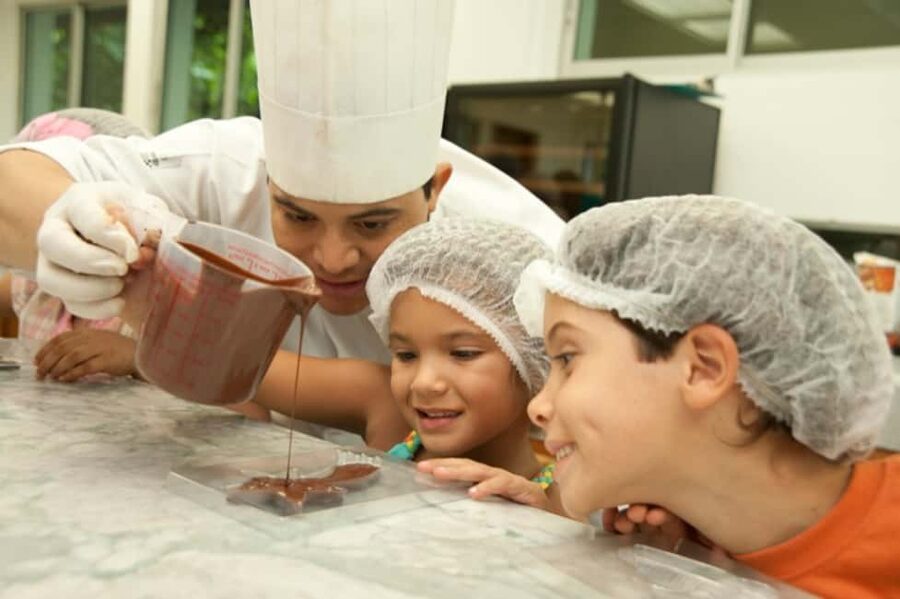
The tasting is more than eating chocolate and choosing a favorite. You learn how to use all five senses during the session.
Sight can help you notice the chocolate’s appearance. Smell becomes especially important because the tour asks you to follow your nose to the chocolate factory. Taste is the obvious part, but the session also includes touch and hearing as part of the tasting method.
This approach is valuable because it slows you down. You begin to notice chocolate as a product with different qualities, rather than treating every piece as the same sweet snack.
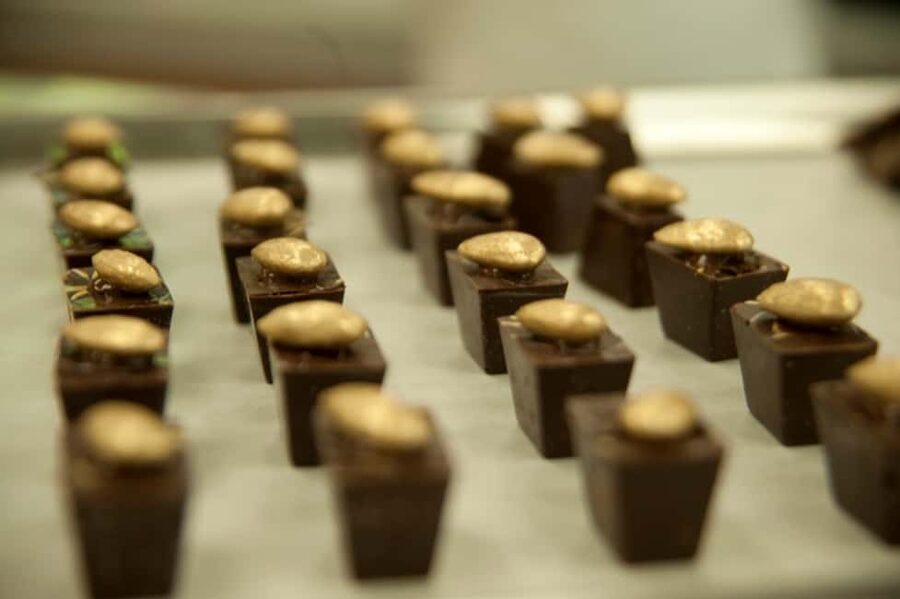
The activity is described as an exclusive chocolate tasting, but the specific chocolates and number of samples are not listed. I would expect the guide to explain the samples provided during the session, but I would not promise a particular brand or tasting menu.
Hot chocolate is included, adding a warm drink to the tasting experience. It is a small benefit, but it helps the package feel like a complete food outing rather than a lesson with a token sample.
Following Your Nose to the Chocolate Factory
The factory visit shows what happens after the plantation work. You visit another plantation where you can observe more automated cacao processing on a small scale.
That detail is important. The tour does not stop with traditional farming methods. It also shows how cacao moves toward a more organized production process, while keeping the operation small enough for a guided visit.
You learn more about fermentation and drying here as well. Seeing those stages again in a more processed setting can help connect the plantation lesson with the factory work.
Do not expect a large industrial plant based on the information provided. This is described as small-scale automated processing, so the appeal is the connection between agriculture and production, not a huge factory spectacle.
The sequence works well: first you see the plant and pod, then the post-harvest treatment, then the processing, and finally the tasting. The tour gives you a reason for each step instead of presenting chocolate as a finished object with no story behind it.
Is $83 a Fair Price?
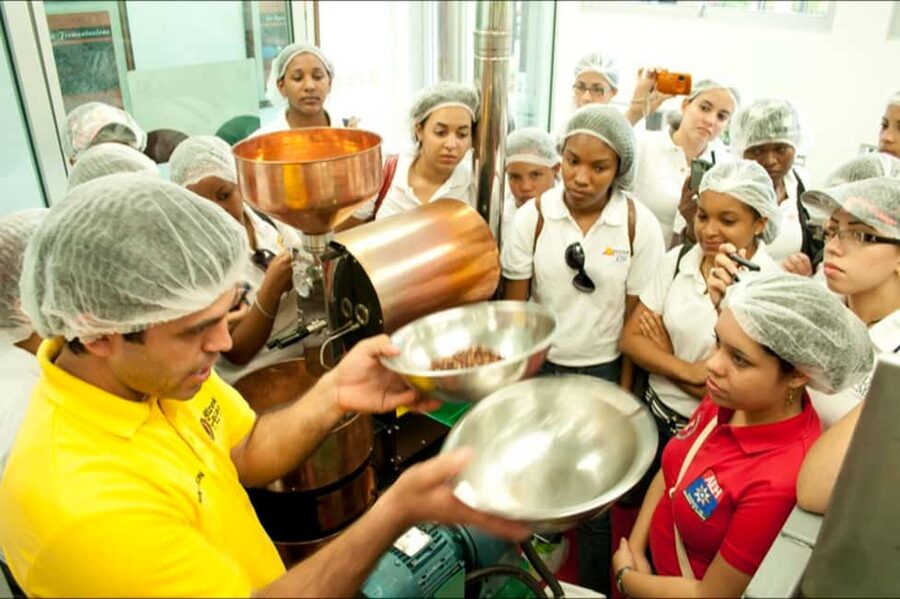
At $83 per person, this is not the cheapest chocolate activity you will find. The value depends on how much you want from the visit.
The price includes three hours of guided instruction, a plantation visit, the planting activity, the factory visit, lunch, hot chocolate, and the tasting. If you used the tour mainly for a quick sample, it would feel expensive. If you want a structured look at cacao production with food included, the price is more reasonable.
Transportation is not included. You must make your own way to El Sendero del Cacao, at Duarte, 31000, Dominican Republic. That adds another cost or planning step, depending on how you reach the meeting point.
I would compare the price with the time and content, not only the food. You are paying for access to the growing and processing stages, plus a guide who explains how quality develops. That makes it a better fit for a dedicated chocolate fan than for someone who only wants a sweet treat during a busy sightseeing day.
The activity is wheelchair accessible, which gives it a wider audience. Still, the available details do not explain the exact plantation paths or surfaces, so you may want to confirm those points with the provider if you need specific access arrangements.
Three Hours, With a Small Timing Question
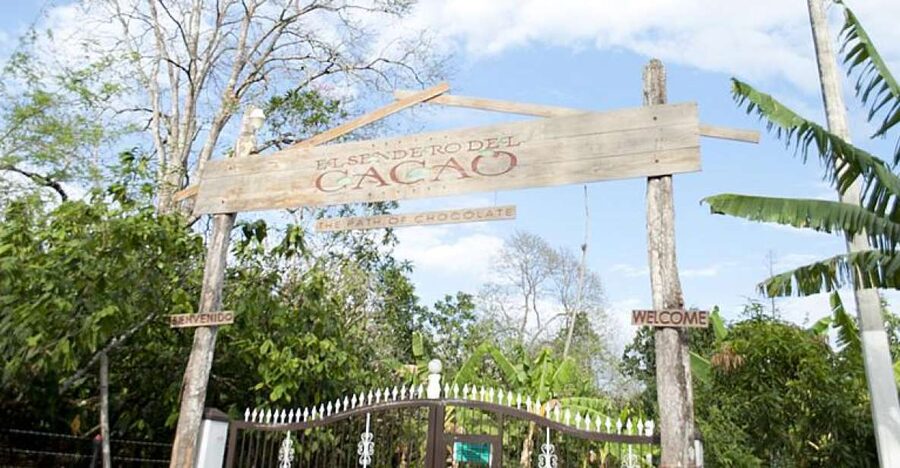
The advertised duration is three hours. That is long enough for several distinct parts, but short enough to add to a larger day if your transport plans are simple.
One booking reported that the actual experience lasted about two and a half hours rather than four hours. The activity is listed as three hours, not four, so the practical lesson is to allow some flexibility and avoid scheduling a flight, bus, or another timed tour immediately afterward.
Starting times vary, and you need to check availability for the date you want. The meeting point is supplied, but transportation is not, so factor in your route before choosing a start time.
The schedule appears to include the plantation, lunch, tasting, and factory portion within the same compact visit. That makes it efficient, but it also means the tour cannot spend unlimited time at each stop.
Who Will Enjoy This Most?
I would recommend this for serious chocolate fans, curious food lovers, and anyone who enjoys seeing how a local product is made.
It also suits families and mixed-age groups if everyone can manage the plantation setting and wants a hands-on activity. Sowing a cacao plant gives the visit a practical moment, while the tasting adds a more polished food experience at the end.
The tour can work well for visitors who want a cultural activity outside the usual city sights. You learn about Dominican agriculture and local culture through cacao, lunch, and the production process.
It is less suitable if you want a quick factory photo stop, a large-scale industrial tour, or a fully transport-inclusive outing. It may also feel too instructional if you are mainly looking for free time and casual eating.
Language choice is a useful advantage. English, Spanish, and French are available, so you can select the language that makes the technical parts easiest to follow.
Booking Flexibility and Practical Preparation
You can cancel up to 24 hours before the activity for a full refund. The reserve-now, pay-later option lets you hold a place without paying at the time of booking, which helps if your schedule is still changing.
Bring comfortable shoes and comfortable clothes. That advice fits the plantation setting, where you may move between outdoor and production areas.
You should also plan your route to the meeting point in advance. Since transportation is excluded, the price does not cover getting to or from El Sendero del Cacao.
The experience provider is Kahkow Experience. The tour has a 4.9 rating from four reviews, with strong praise for organization, the friendly guide approach, and the amount of learning. One booking also successfully changed to the next day by phone, but you should treat that as a useful possibility rather than a guaranteed policy.
Should You Book the Chocolate Lovers Tour?
Book it if you want the full cacao story: planting, harvest, fermentation, drying, processing, lunch, and tasting. The strongest part is the connection between the plantation and the finished chocolate, with the five-senses session giving the visit a clear finish.
The $83 price makes the most sense when you value the lunch, guide, hot chocolate, and educational content together. Check your transport plan carefully, allow a little time beyond the stated three hours, and confirm any food or access needs before you go.
Skip it if you only want a quick chocolate sample or need included transfers. For anyone who wants to understand why fine chocolate tastes the way it does, this is a focused and worthwhile half-day-style outing.
FAQ
Where does the chocolate tour meet?
The meeting point is El Sendero del Cacao, Duarte, 31000, Dominican Republic.
How long does the experience last?
The listed duration is three hours. One booking reported a visit of about two and a half hours, so allow some schedule flexibility.
What is included in the price?
The $83 price includes hot chocolate, lunch, and a guided tour. The experience also includes the plantation visit, chocolate tasting, cacao planting activity, and factory visit as part of the tour.
Is transportation included?
No. Transportation to and from the meeting point is not included.
Which languages are available?
The live tour guide is available in English, Spanish, and French.
Can I cancel or pay later?
You can cancel up to 24 hours in advance for a full refund. You can also reserve now and pay later, so no payment is required at the time of booking.
Just added around the world
- From Zadar: Romantic Sunset Sailboat Tour★ 5.0 · 5 reviews
- YOUR HONEYMOON IN TUSCANY: Private Chianti Wine Tasting Tour★ 5.0 · 3 reviews
- Zadar: Romantic Sunset Boat Tour with Champagne★ 4.9 · 11 reviews
- Zakynthos: Romantic Sunset Tour & the Legend of the Dragon★ 5.0 · 4 reviews
- Warsaw: Romantic Cruise with Prosecco–Birthdays & Proposals★ 5.0 · 2 reviews
- Vienna: Professional Proposal Photographer★ 5.0 · 8 reviews
- Victoria Falls: Batoka Gorge Hike & Sunset Dinner★ 5.0 · 3 reviews
- Anniversary & Destination Wedding Photo-shoot in Vienna★ 5.0 · 3 reviews
3-Hour Experiences, compared.

Classic, Romantic Paris: 3-Hour Vintage 2CV Tour
Read our review →
3 Hour Sunset Dinner Cruise by Solaris Yacht in Miramar Beach
Read our review →
3-Hour Swim with Horses and Romantic Dinner from Hurghada hotels
Read our review →
BRYGGJA ROMANTICA – 3 Hour Romantic Tour in Bruges
Read our review →
Total Reboot and Renew with top wellnes 3 hours couple experience
Read our review →Browse the lists this tour appears in